Courtesy of Intercultural Theatre Institute
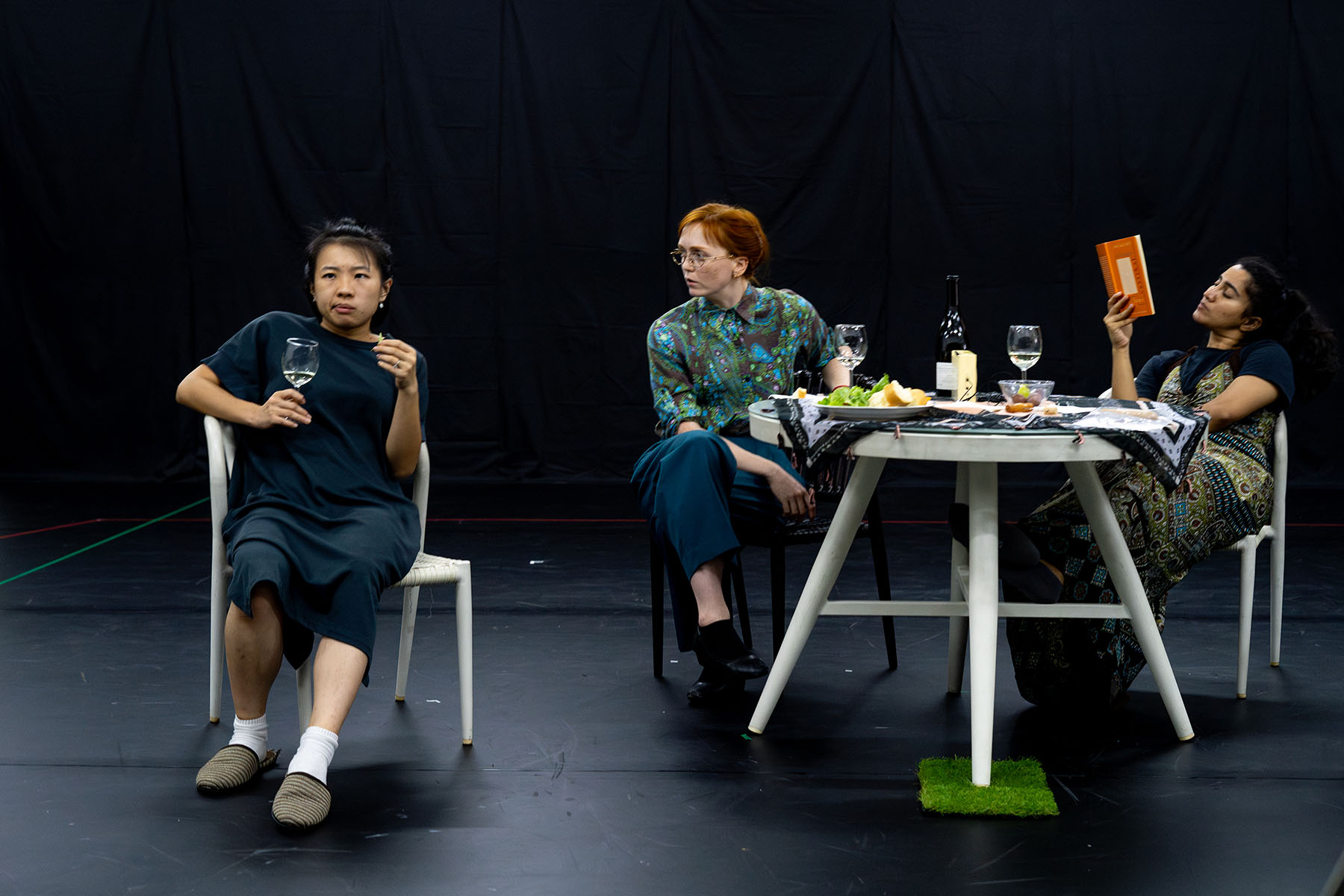
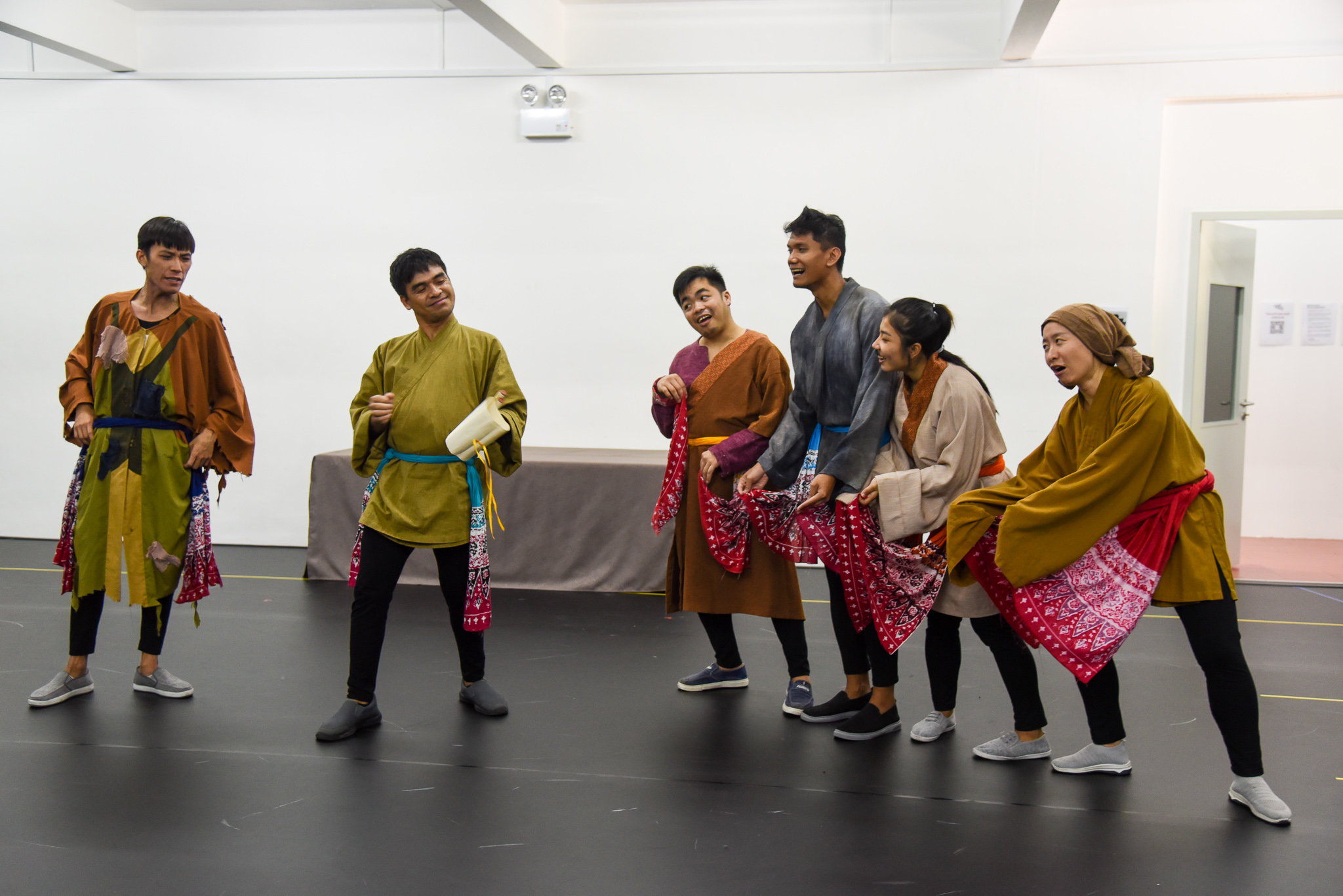
The second production by the graduating cohort of the Intercultural Theatre Institute (ITI) features a double bill: “Fall” by James Saunders and “The Music Lovers” by Georges Feydeau, adapted by Reggie Oliver.
“Fall” explores the theme of loss within a family dealing with an impending tragedy while “The Music Lovers” is a lighthearted tale of mistaken identities.
To find out more about the double bill, I interviewed director Aarne Neeme and a few of the cast members of the show.
Why was the format of a double bill chosen and why “Fall” and “The Music Lovers” in particular?
Aarne Neeme (director): It is always a priority to offer graduating students equal opportunities to show their talents in their final presentation. Given the composition of the class (four women, one man), this presented a difficult choice, which was made easier by choosing two plays. Thus those with smaller roles in one, could be compensated in the other. The other benefit was the choice of two contrasting styles, to fully utilise and display their acting range.
Both plays in this production have distinct styles and demands. How did you ensure that the actors could effectively switch between the introspective nature of “Fall” and the physicality of “The Music Lovers”?
Aarne Neeme (director): The whole basis of actor training is to develop their acting resources and skills. At ITI, together with addressing traditional Eastern forms, they are taught the difference of approach working from the inside out, and the outside in; the external and internal modes of acting. This allows for a greater flexibility in finding the appropriate style demanded by the work.

Courtesy of Intercultural Theatre Institute
What are some of the challenges you encountered in portraying characters from two contrasting plays within the same production?
Cheng Kam Yiu (Yolanda): Playing two completely different characters in one production is quite challenging because both of them are of different ages and eras. Lucille is a French young lady in her early twenties from the late 1800s, while Mary is almost sixty in the 1980s. They have distinct physicalities and manners, so one has to transform completely in a split second.
The styles of the plays are also very different: “Fall” is a naturalistic tragedy whereas “The Music Lovers” is a farce in which the characters constantly address the audience and break the fourth wall. Actors have to know the requirements for each genre and adjust accordingly. But it always goes back to the intention and subtext of the plays, which is the most challenging to me.
As a non-native English speaker, the sense of text doesn’t come to me naturally. However, I’m grateful that Aarne is a very patient and helpful director. With his guidance and rich experience, I have a better understanding of the text. I still have a long way to go, but I’m truly thankful for having these two plays mark the end of my ITI journey.

Courtesy of Intercultural Theatre Institute
How do you think your training in the past three years has prepared you for the demands of this double bill?
Choy Chee Yew and Abinaya Jothi: There was a great deal of learning and unlearning simultaneously. Not to be overly fixated on what we have trained in, but to trust our instincts, have fun, and use what we have learned to guide us back when we get carried away. We believe the previous final year production, The Chair, taught us that regardless of genre or style, theatre conveys the stories of human beings, and audiences should see that rather than ensembles of actors “demonstrating” their abilities.
What are some interesting insights you gained in the process of working on this production?
Aarne Neeme (director): This production celebrates the full breath of the theatrical experience both for the actors and their audiences. From the catharsis of Tragedy (evoking fear and compassion), to the comic release of Farce (dealing with obscenity, slapstick and mistaken identities). Thus showing off the full scope of both human and theatrical experience, that we inherited from the Classical Greeks and remains with us to this day.
Swathilakshmi Perumal (actor): “Fall” is a realistic play. We were required to sit down and deliver our lines throughout. Since most of our training is psycho-physical, it is challenging. It leans towards the film logic of experimenting with props. It is interesting to experience this type of performance on stage.
Catch It!






 Isaac Tan